
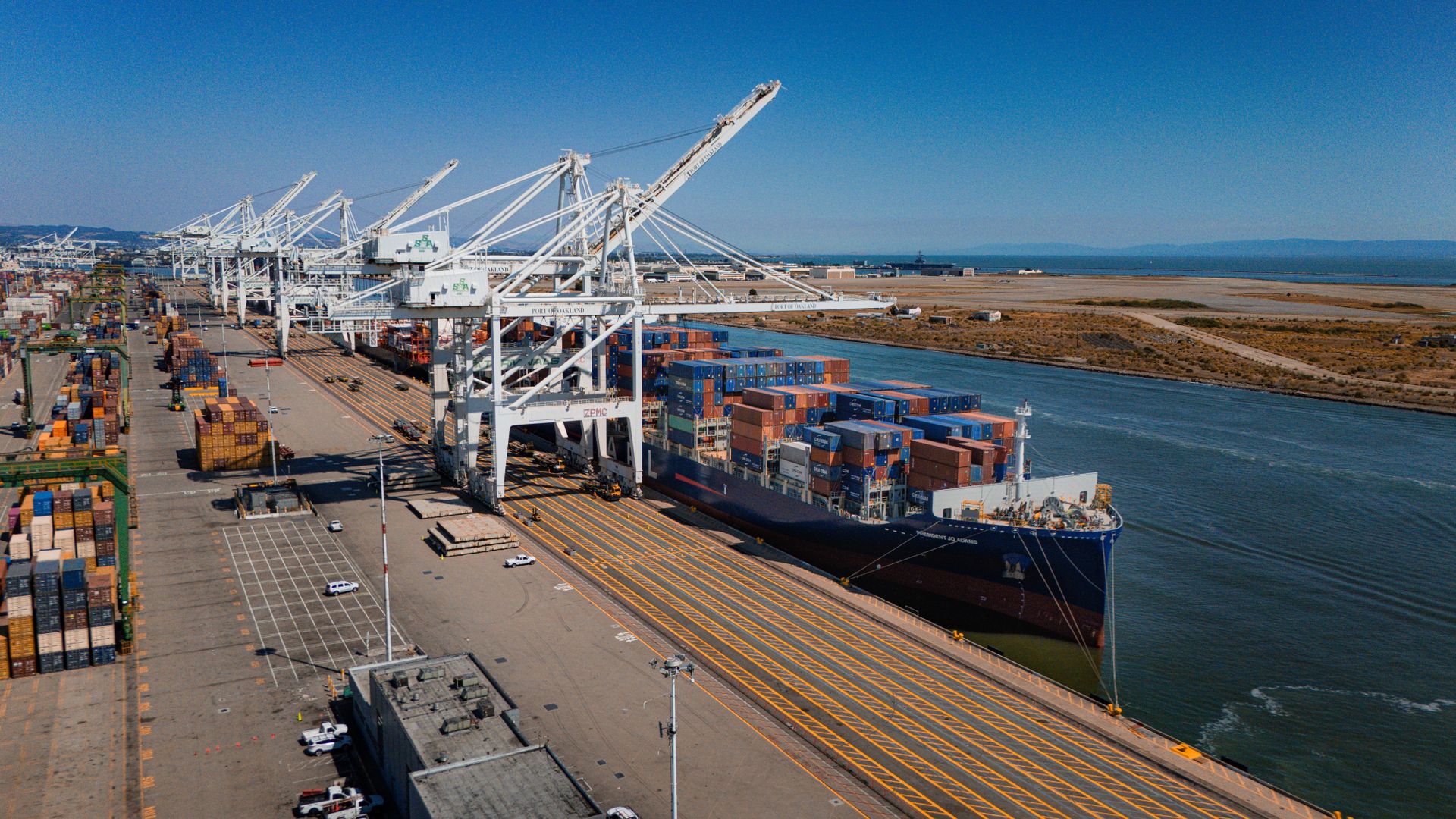
Demurrage is the amount a charterer owes the shipowner when cargo operations take longer than the contract allows. In law it is not a penalty but liquidated damages, an amount fixed in advance. That is why the sum can be calculated straight away, without either side having to prove what the delay actually cost.
The starting point is always laytime, the allowance for loading and discharging written into the charter party. That allowance does not begin the moment the vessel arrives. It starts once the master tenders Notice of Readiness, the declaration that the vessel has arrived and is ready to work, plus the agreed turn time, commonly six or twelve hours. Finish inside the allowance and the opposite applies: despatch, a reward to the charterer, usually at half the demurrage rate.
One distinction is regularly confused, and that is demurrage in container shipping. There the carrier grants free time while the container remains inside the terminal, and exceeding it is demurrage. If the container has left the terminal but has not been returned, that is detention. The rates differ and both can appear on the same invoice, so it is worth checking the definitions each carrier uses, since the naming is not always consistent.
The calculation rests on the Statement of Facts, the chronological record of events in port signed by the parties. Time used is derived from that document and then measured against laytime. Careful recording therefore matters as much as working quickly. Hours that are not documented cleanly tend to end up counted as yours.
Exception clauses decide more than people usually expect. Weather working days keeps rain hours out of the count, which matters for coal cargoes that stop as soon as it rains. SHEX and SHINC decide whether Sundays and holidays count at all. Two vessels with practically identical chronologies can end up with very different invoices purely because of these clauses.
At Indonesian ports the usual causes are not complicated ones. Queues at the anchorage, waiting on the tide for deep-draft vessels in river channels such as the Mahakam, rain halting loading, paperwork still incomplete when the vessel has already arrived, certificates found to be close to expiry, surveyors not yet available, and crew or immigration matters left pending. Each looks small on its own, yet together they add up to days.
What genuinely reduces demurrage is work finished before the vessel arrives. Document and certificate validity checked well ahead rather than once the vessel is at anchor. Provisions, fresh water, and bunkers scheduled so they add nothing to waiting time. An agent who knows the local port and therefore knows which steps can run in parallel and which must wait. And a Statement of Facts read closely before it is signed rather than after.
PT Persada Mulya Baraka handles this operational side from Jakarta and Samarinda, covering ship husbandry, ship chandlery, ship certificate processing and renewal, general supply, and underwater survey. If you are weighing the waiting-time risk on an upcoming call, our team can help work out what is best cleared first.